Taíno Culture & Traditions
Exploring the spirituality, music, crafts, and language of the Taíno people
Spirituality & Ceremony
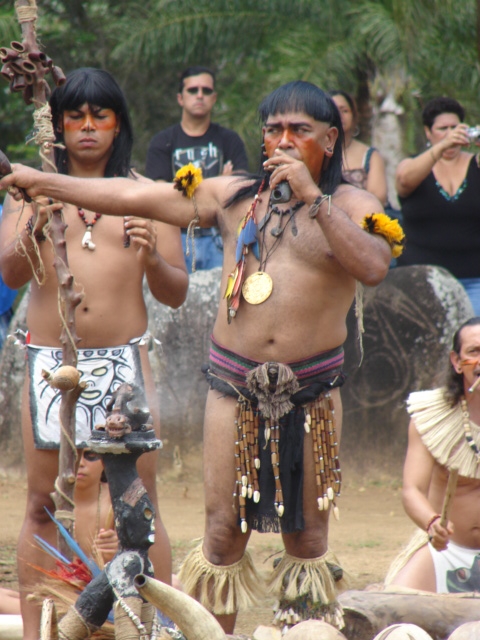
The Taínos believed in a supreme being called Yaya (creator of all things) and in Atabey (supreme mother of fertility and the waters). Sacred ceremonies honored the cycle of life, agriculture, and the cosmos.
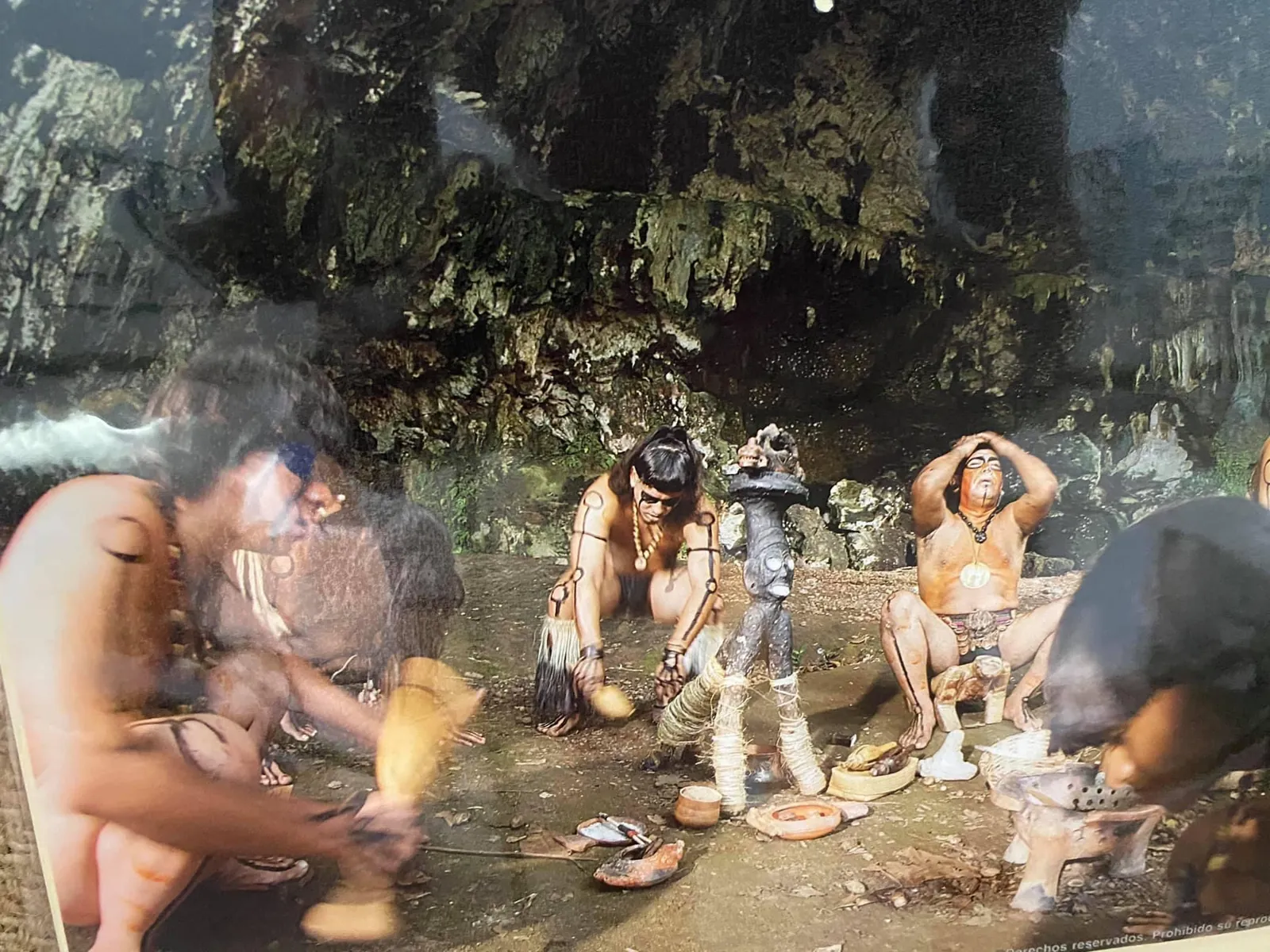
Spiritual practices include the belief in cemíes (protective spiritual forces sent by Yaya), through which harmony is kept between the people and the forces of nature, together with the use of sacred plants, healing rituals, and seasonal celebrations. The Bajareke represents the sacred space where these ancestral practices and meditations take place.
Cemí Opiyelgüobirán
A song composed by Cacique Martín Cacibaopil Veguilla, dedicated to the cemí Opiyelgüobirán.
Areítos & Music
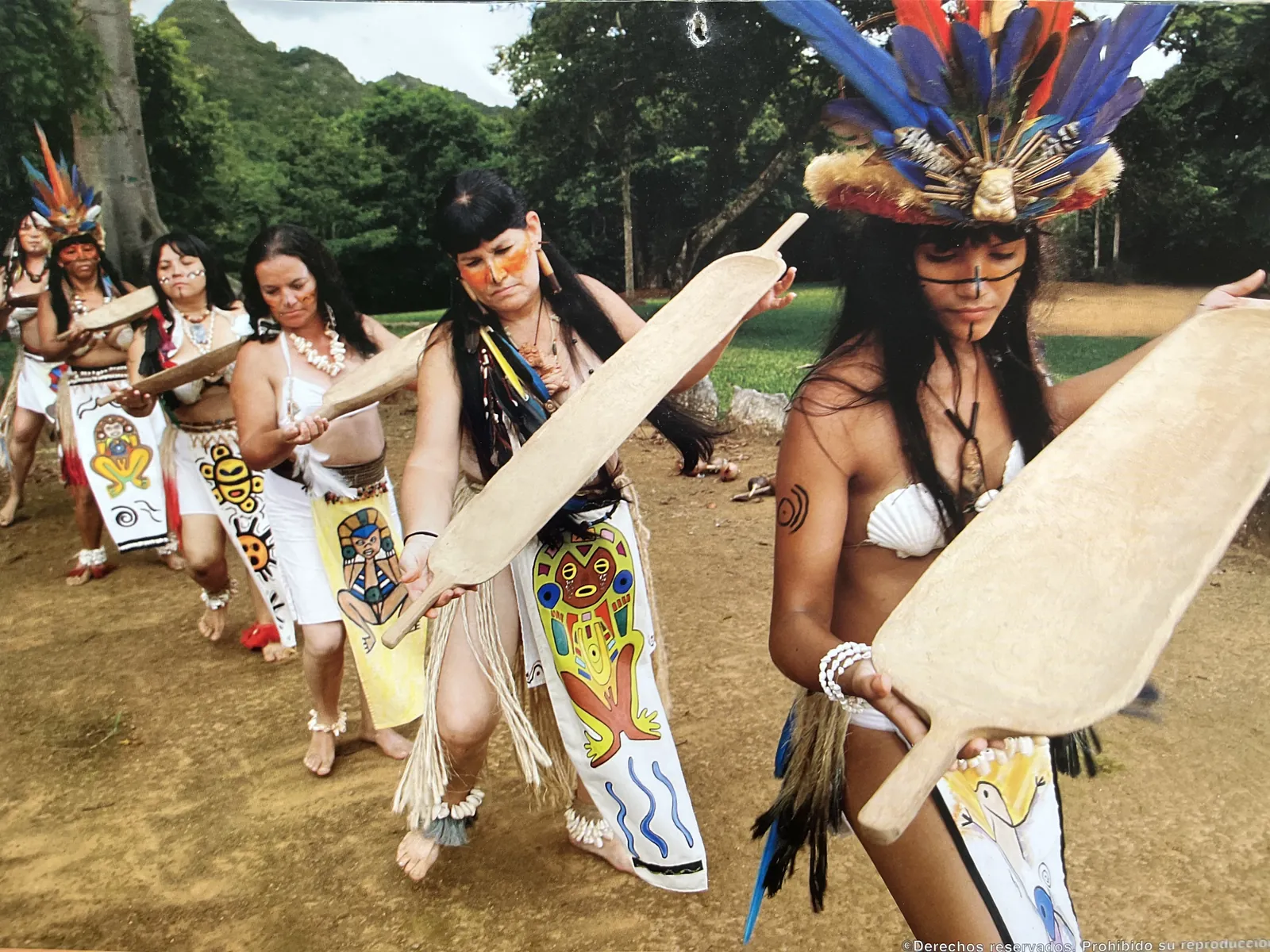
Areítos are ceremonial dances and songs that tell stories of creation, ancestral heroes, and important community events. Each movement and rhythm carries deep meaning in the transmission of cultural knowledge.
Taíno music uses traditional instruments such as the drum (mayohuacán), the maraca, the flute, and ceremonial rattles. These instruments mark the pulse of the earth and guide the dancers in songs that pass on the ancestral story.
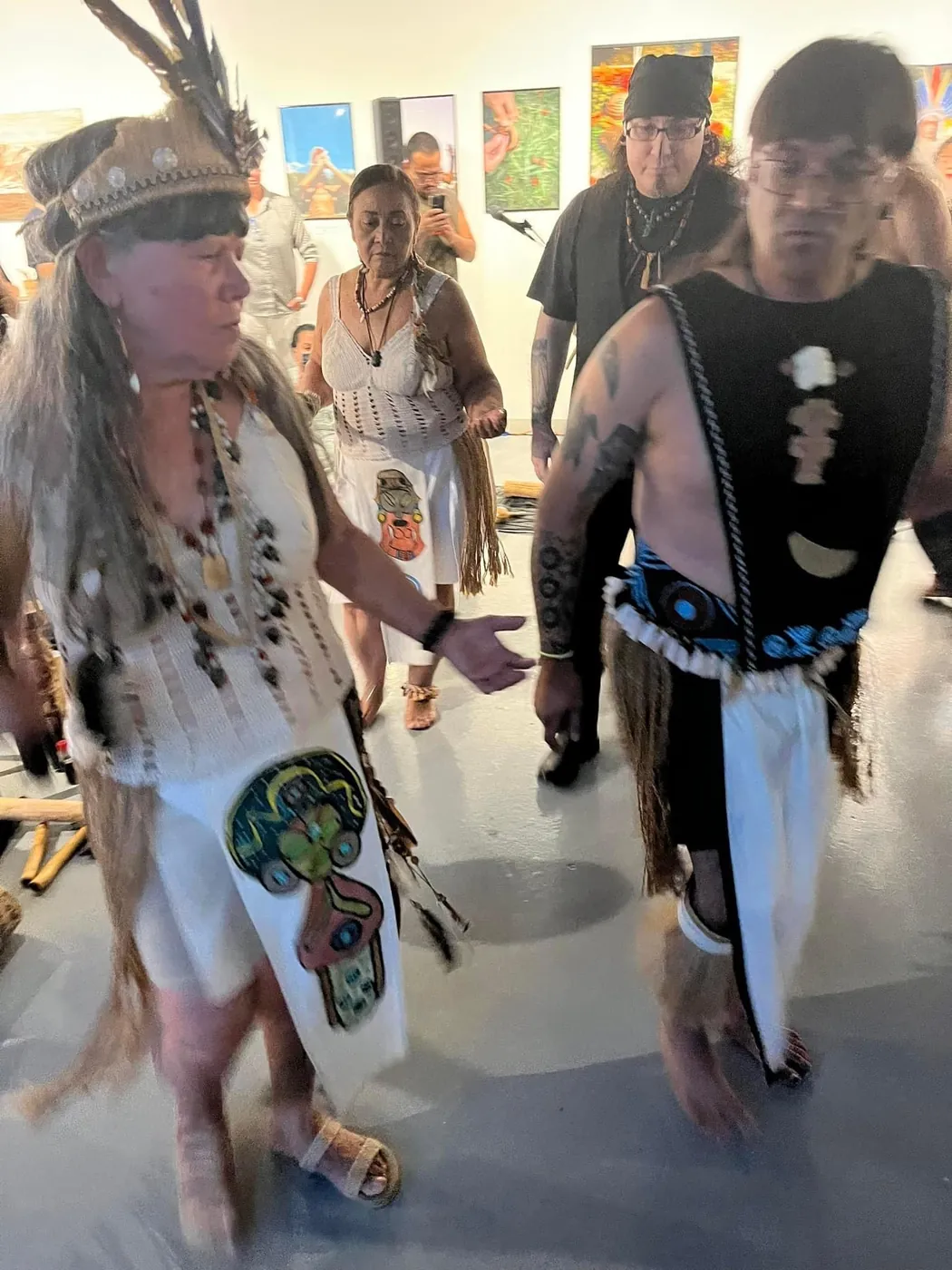
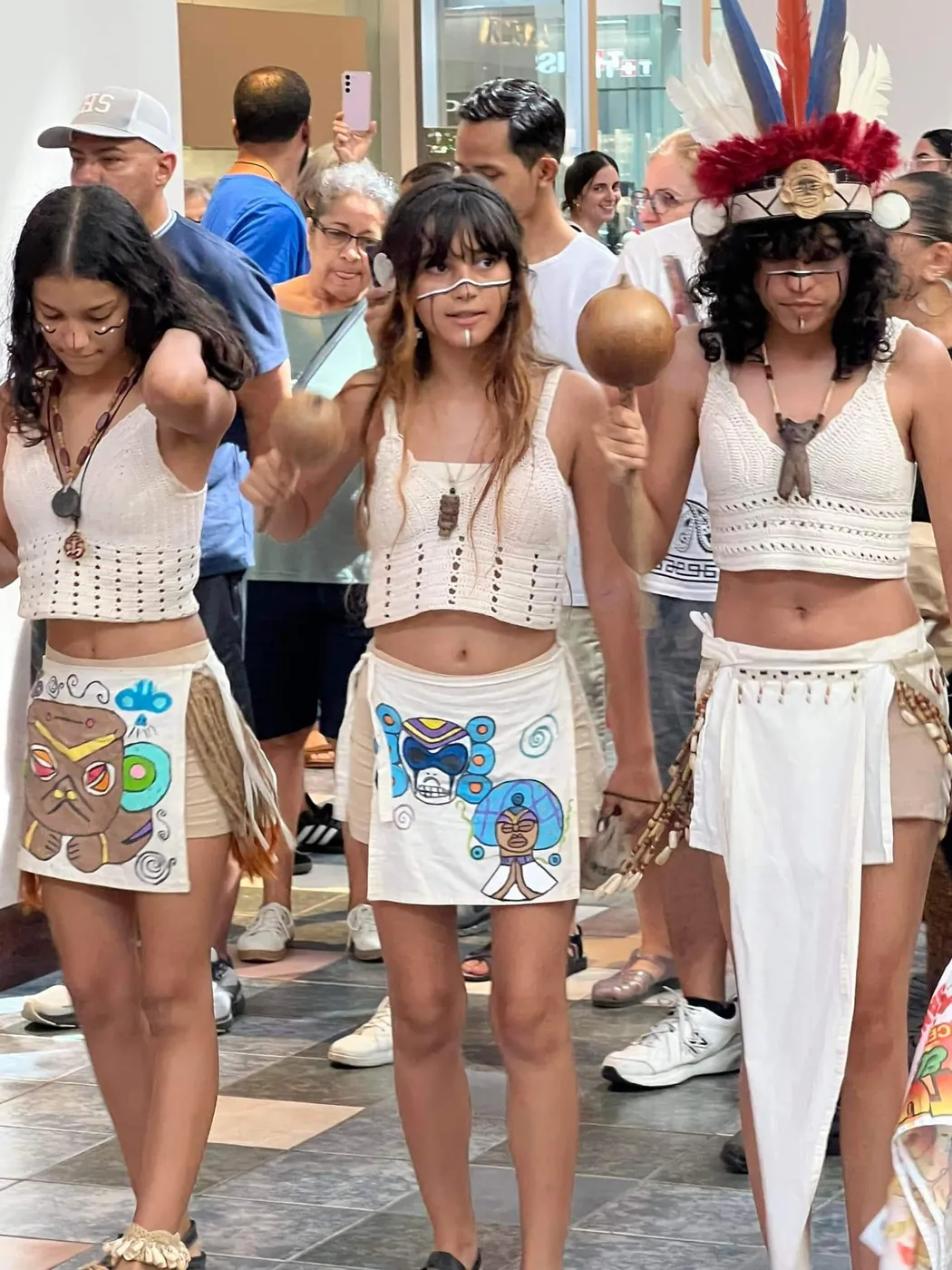
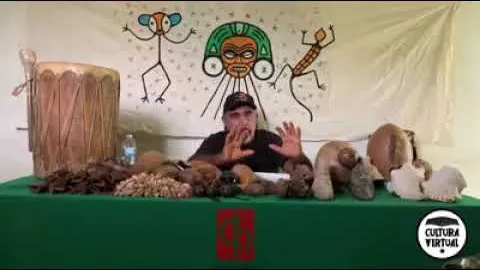
The Areíto and the instruments of Taíno culture
Cacique Martín Cacibaopil Veguilla presents the areíto and Taíno musical instruments, produced by the Institute of Puerto Rican Culture.
Cultura Virtual · Instituto de Cultura Puertorriqueña
Lamento Taíno
A song composed by Cacique Martín Cacibaopil Veguilla. Video and artwork by Cacique Ángel Kegaraniciba Benítez.
Crafts & Pottery
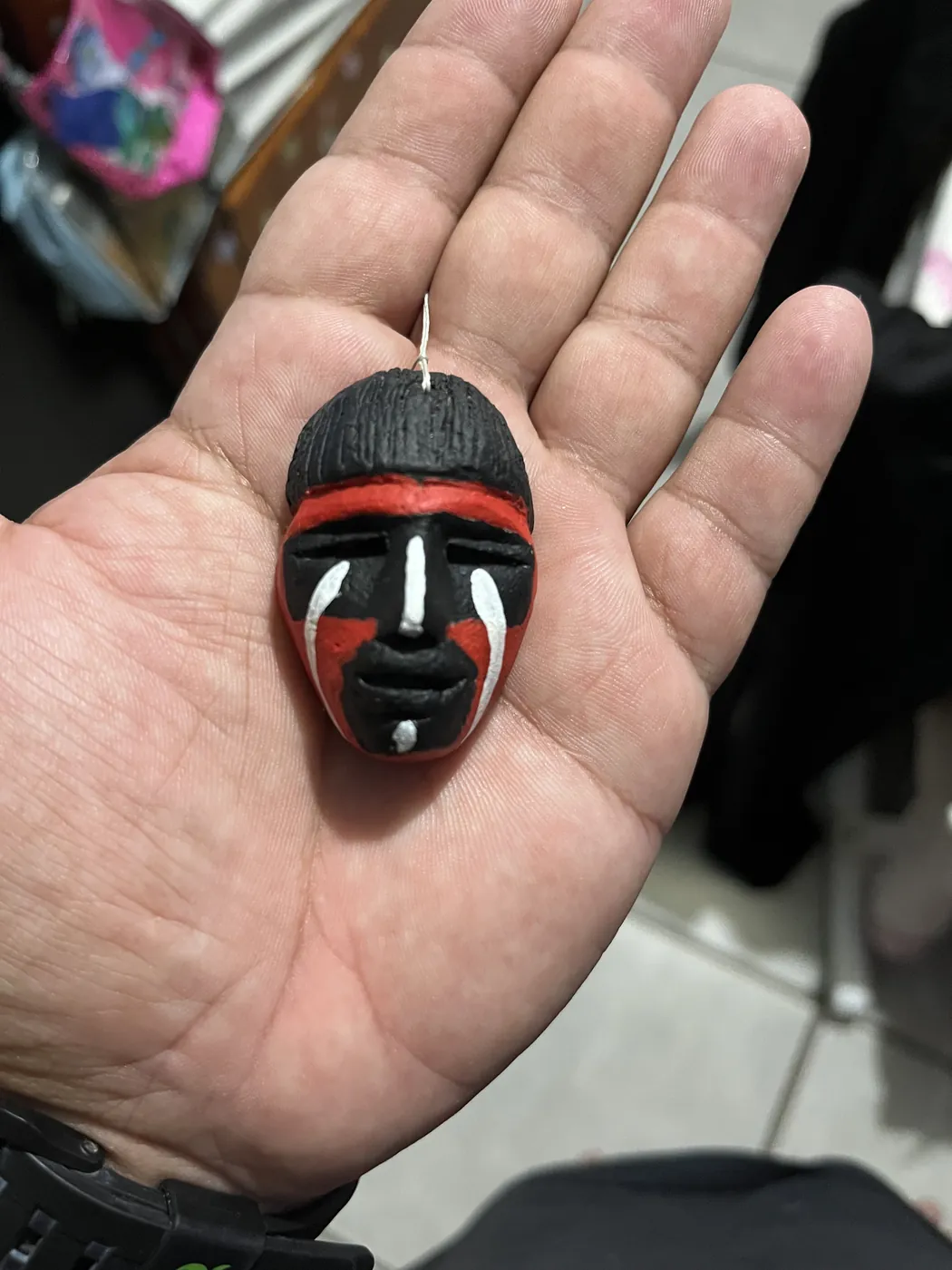
Taíno pottery is an artistic expression combining functionality and beauty. Vessels were created using ancestral techniques, utilizing local clay and decorated with symbols representing Taíno cosmology.
The Taínos also created objects from stone, shell, and wood. Each piece tells a story and reflects their profound knowledge of natural materials. The Concilio has revived the ancestral Igneri ceramic techniques rescued by our founder, Cacique Caciba Opil, the only person able to reproduce them to perfection.
Taíno Language
The Taíno language comes from the Arawak linguistic root and contains words describing the unique flora, fauna, and geography of the Antilles. Many Taíno words have been incorporated into Caribbean Spanish and English.
Terms like Yucayeque, Cacique, Areíto, Bohío, Conuco, and Yuca are Taíno words that remain alive in Puerto Rican culture. Preserving the language is fundamental to maintaining the cultural identity of the Taíno people.